Overview
Your journey begins with one of the world’s most iconic flights: a scenic hop from Kathmandu to Lukla, a charming mountain town perched among dramatic landscapes. From the moment you step onto the trail, you’ll follow well kept paths that guide you through legendary Sherpa villages such as Phakding, Namche Bazaar, Tengboche, Dingboche, Lobuche, Gorakshep, and finally to the world famous Everest Base Camp.
Comfortable tea houses along the way offer warm meals, cozy rooms, and a friendly atmosphere, providing rest after each rewarding day of trekking.
With Taste of Nepal, every detail is thoughtfully taken care of. From experienced guides and carefully chosen lodges to personalized support throughout the journey, you can focus on enjoying every moment of your trek.
The 16 day Everest Base Camp Trek is a meaningful, immersive Himalayan experience. A journey of culture, nature, adventure, and connection that stays with you long after you’ve returned home.
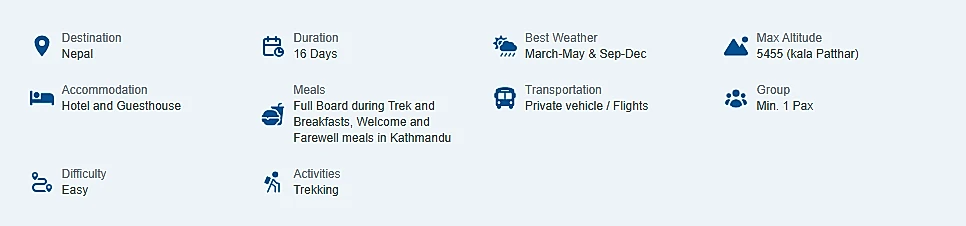
Recommended seasons for Everest Base Camp Leisurely Trek
Autumn, Spring
Guide and Porter Service
Taste of Nepal provides professional, government-licensed guides with extensive knowledge of the Everest region’s terrain, culture, and safety protocols.
For groups of more than 10 trekkers, an additional assistant guide joins to ensure personalized attention, enhanced safety, and smooth logistics.
For every 2 trekkers, 1 porter is assigned to carry your luggage and trekking gear, reducing your physical burden so you can focus on enjoying the trek and acclimatizing properly.
All guides and porters are well trained, familiar with the terrain and culture, and equipped with first aid knowledge. They play a crucial role in making your trek a memorable and hassle free journey.
Accommodation
Accommodation along the Everest Base Camp Leisurely Trek is primarily in tea houses, lodges, and guesthouses. These provide basic amenities such as a bed, shared or private bathrooms, blankets, and meals. Major stops like Namche Bazaar, Tengboche, and Dingboche often have slightly more comfortable lodges, while remote areas may have simpler facilities. Taste of Nepal ensures trekkers are booked in clean and safe accommodations, prioritizing hygiene and comfort, while also giving an authentic local experience. Trekkers are encouraged to bring a sleeping bag and personal essentials for added comfort.
Safety and Security
The Everest Base Camp Trek is generally safe for trekkers when following proper precautions. Trails are well marked, and local guides provide essential support. Potential risks include altitude sickness, weather changes, and minor injuries from uneven paths. Taste of Nepal emphasizes preparation, reliable guidance, and safety briefings before and during the trek. Travelers are advised to follow local advice, stay hydrated, and carry a basic medical kit. The company ensures communication access and monitoring of weather and trail conditions throughout the trek.
Detailed itinerary
Day 1: Arrival in Kathmandu (1,400 meters)
Your journey begins with a stunning flight into Nepal, where you’ll enjoy sweeping aerial views of the Himalayas, rolling green hills, and beautiful terraced farmlands. After landing at Tribhuvan International Airport in Kathmandu and completing immigration formalities, a friendly representative from Taste of Nepal. will welcome you and transfer you to your hotel.
The rest of the day is yours to relax and recover from your travels. If you feel like exploring, you can wander through the lively streets of Thamel, known for its shops, cafés, and cultural charm. This first day is also a great time to prepare for your upcoming trek and take in the unique energy of Nepal’s vibrant capital city.
Day 2: Kathmandu Valley Sightseeing (1,400 meters)
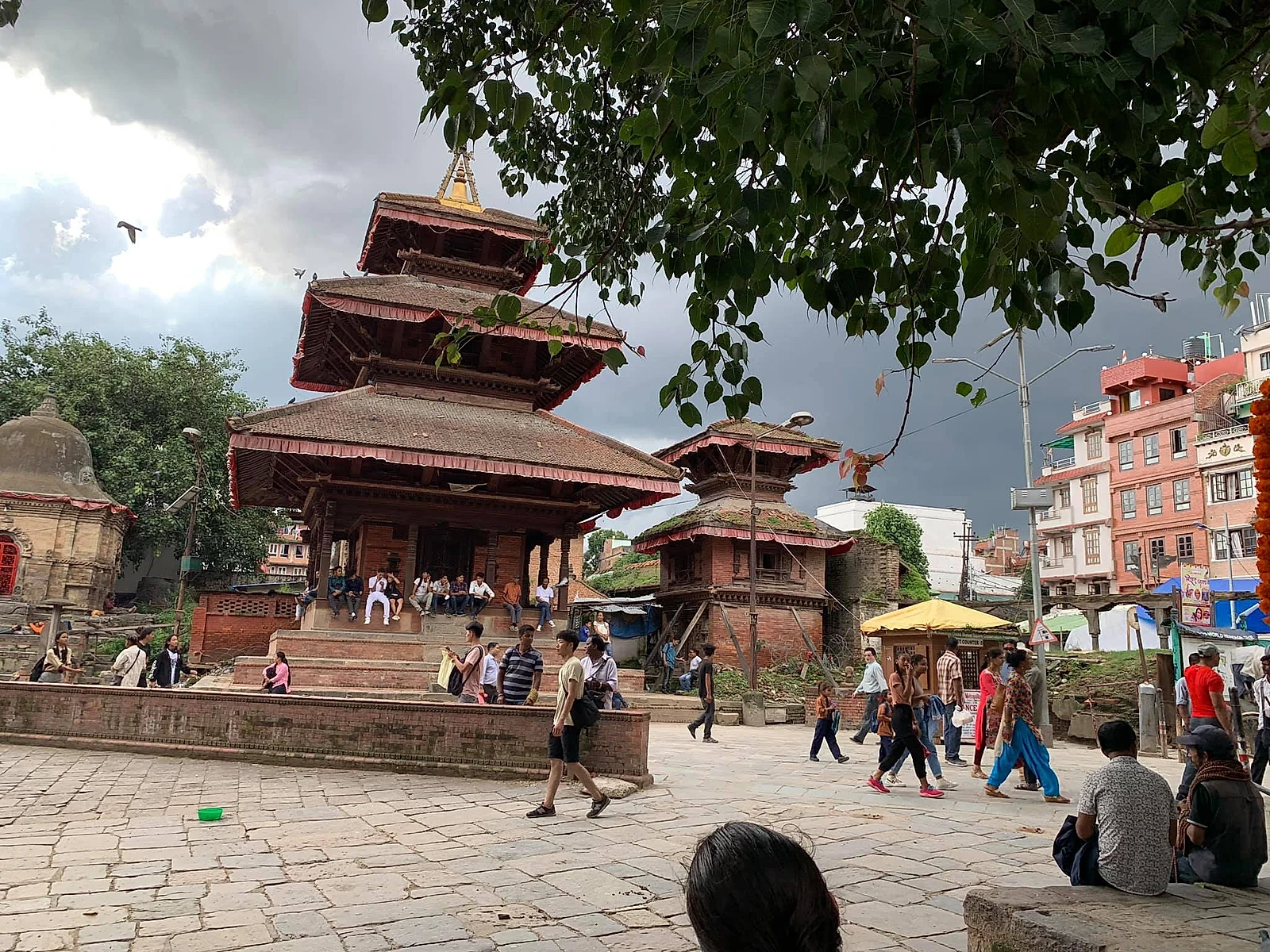
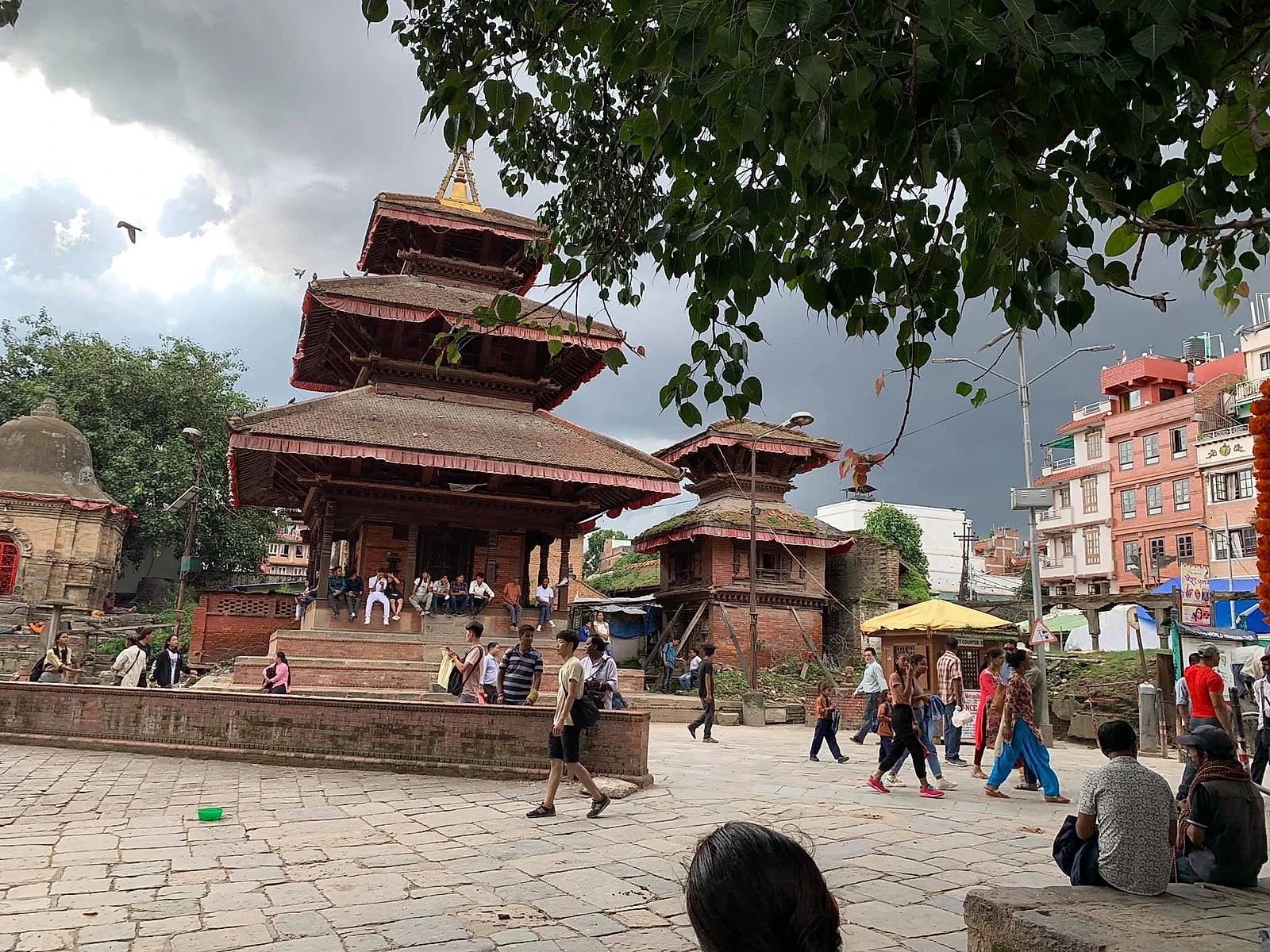
After breakfast, you’ll head out for a full-day guided sightseeing tour of the Kathmandu Valley: an area filled with UNESCO World Heritage Sites, ancient history, and deep spiritual traditions. Your day begins at Kathmandu Durbar Square, the former royal palace complex surrounded by centuries-old temples and courtyards. Highlights include Hanuman Dhoka, Kal Bhairav, Taleju Temple, Kasthamandap, and Kumari Ghar, the home of the Living Goddess.
Next, you’ll visit Swayambhunath Stupa, also known as the Monkey Temple. Perched on a hilltop, this iconic Buddhist site offers sweeping views of Kathmandu Valley and glimpses of the distant Himalayan peaks.
Your journey continues to Pashupatinath Temple, Nepal’s most sacred Hindu shrine dedicated to Lord Shiva. While only Hindus may enter the main temple, visitors can observe the spiritual rituals and traditional cremation ceremonies along the banks of the Bagmati River.
The day concludes with a visit to the impressive Boudhanath Stupa, one of the largest Buddhist stupas in the world, decorated with colorful prayer flags and the serene, all seeing eyes of Buddha.
Day 3: Fly to Lukla (2,860 meters) and trek to Phakding (2,610 meters)
After an early breakfast, you’ll head to the airport for a thrilling 30 minute flight to Lukla, often described as one of the most scenic and memorable flights in the world. As the plane touches down on Lukla’s dramatic mountainside runway, your adventure to Everest Base Camp truly begins.
Lukla, a charming Sherpa town surrounded by towering peaks, serves as the starting point of your trek. From here, you’ll begin your walk toward Phakding, descending through lovely villages such as Chheplung and Ghat. Along the way, you’ll pass peaceful monasteries like Drangdrak Gompa and Pema Choling Gompa, adding a spiritual touch to the journey.
The trail offers beautiful views of sacred mountains such as Kumbila and Kusum Kanguru—peaks revered by local Sherpas and left unclimbed out of respect.
Upon arriving in Phakding, a quiet Sherpa village tucked into the Dudh Koshi Valley, you’ll settle into your teahouse and enjoy the rest of the afternoon exploring or relaxing in this tranquil mountain setting.
Day 4: Trek to Namche Bazaar (3,440 meters)
Day 4’s trek takes you to Namche Bazaar, the lively heart of the Khumbu region often called the “Sherpa capital.” The trail follows the Dudh Koshi River, crossing several suspension bridges—including the famous Hillary Bridge—while weaving through scenic villages like Tok Tok and Monjo. At Monjo, you’ll enter Sagarmatha National Park, a UNESCO World Heritage Site, where your permits will be checked.
From here, the path continues through beautiful pine and rhododendron forests, accompanied by the sound of the glacial river rushing below. Eventually, the trail begins a steady uphill climb toward Namche. As you gain height, you’ll enjoy your first distant glimpse of Mount Everest rising above the Lhotse-Nuptse ridge.
Arriving in Namche Bazaar, you’ll find a vibrant mountain town filled with teahouses, shops, cafés, and local markets. It’s an ideal place to relax, acclimatize, and experience the warmth of Sherpa culture.
Day 5: Acclimatization at Namche Bazaar (3,440 meters )
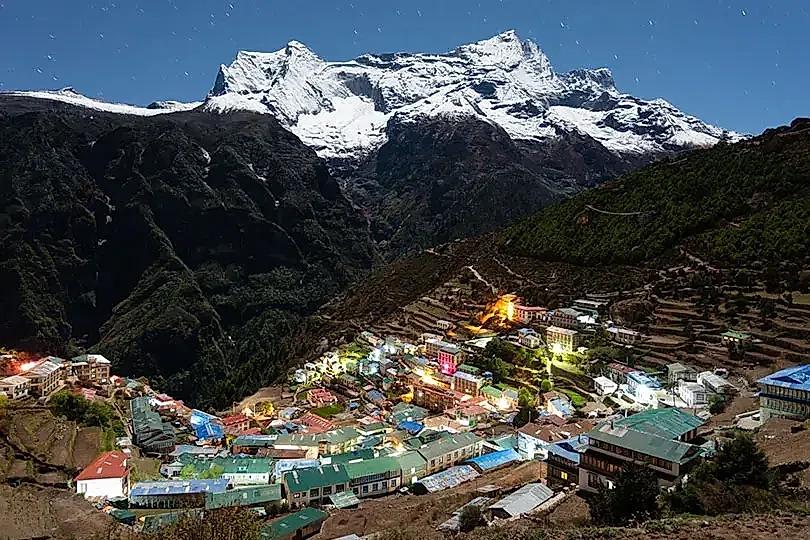
Acclimatization is essential as you move into higher elevations, and today is dedicated to helping your body adjust while enjoying the beauty of Namche and its surroundings. In the morning, take a short hike to one of the nearby viewpoints—either the Everest View Hotel or Syangboche. From these vantage points, you’ll be treated to breathtaking panoramas of Mount Everest, Ama Dablam, Thamserku, Kongde, and Lhotse.
After returning to Namche, you can visit the Sherpa Culture Museum, where you’ll learn about Sherpa traditions, mountaineering history, and the unique lifestyle of the region. The rest of the day is yours to unwind—explore cozy cafés, sample fresh pastries, browse local shops, or simply enjoy the lively atmosphere of this famous Himalayan town.
Day 6: Trek to Tengboche (3,860 meters)
After breakfast, begin the day with a pleasant and scenic trail that winds along the mountainside with spectacular views of Ama Dablam, Thamserku, Lhotse, and Everest in the distance. The trail first descends gradually to the village of Kyangjuma before reaching the junction at Sanasa, where routes diverge toward Gokyo and Tengboche. Following the path to Tengboche, descend to Phunki Tenga (3,250m), a riverside hamlet with waterdriven prayer wheels and a suspension bridge crossing the Dudh Koshi River. From here, the trail climbs steadily through a mystical forest of rhododendrons and conifers. Keep your eyes open for wildlife such as Himalayan Thar, musk deer, and colorful pheasants along the way.
The uphill climb eventually leads to the wide grassy saddle of Tengboche, home to the region’s most famous landmark, the Tengboche Monastery. This spiritual site is the largest monastery in the Everest region and offers panoramic views of Everest, Ama Dablam, and other Himalayan giants. Spend the evening exploring the monastery and soaking in the peaceful surroundings before settling into your teahouse.
Day 7: Trek to Dingboche (4,410 meters)
On day 7, the trail descends through a beautiful rhododendron forest and crosses the Imja Khola River via a suspension bridge. After crossing, climb gradually toward Pangboche, a traditional Sherpa village where you’ll notice the landscape beginning to change. From this point, the trail enters an alpine environment, where trees grow scarce and the terrain becomes more arid and rugged. Pass by the settlements of Shomare, Orsho, and Tsuro Wog before crossing grazing lands and barren stretches dotted with stone huts. Eventually, the trail ascends to the windswept village of Dingboche, located in a valley surrounded by towering peaks such as Ama Dablam and Lhotse. Dingboche is often referred to as the “summer valley” as it has more sunlight compared to neighboring settlements. This will be your resting point for the night, where you’ll notice colder temperatures, especially after sunset.
Day 8: Acclimatization Day at Dingboche and hike to Nagarjun Peak (5,089 meters)
A second acclimatization day ensures your body adjusts properly to higher elevations. After breakfast, take an excursion to Nagarjuna Peak (5,089 meter), a steep climb that rewards you with panoramic views of Ama Dablam, Makalu, Island Peak, and the Imja Valley. This hike is physically demanding but provides vital acclimatization benefits and prepares you for the higher elevations ahead. Reaching Nagarjuna Peak is a personal achievement for many trekkers, as it is often the first 5,000 meter summit of the journey. After enjoying the breathtaking views, descend back to Dingboche for lunch. Spend the afternoon relaxing in the village, strolling around its fields of barley and buckwheat, or simply resting at your teahouse. This day strikes a perfect balance between challenge and recovery.
Day 9: Trek to Lobuche (4,940 meters)
The trail from Dingboche to Lobuche is one of the most emotionally powerful sections of the Everest Base Camp Trek. Walk past Dusa and then towards Dughla, where the path climbs to a ridge called Chupki Lhara. Here, you will see a memorial site with stone cairns and prayer flags honoring climbers who lost their lives while attempting Everest and other nearby peaks. This touching landmark reminds every trekker of the challenges of the Himalayas. Beyond this point, continue along a rocky moraine trail beside the Khumbu Glacier. Along the way, enjoy stunning views of Pumori, Lingtren, Khumbutse, and Nuptse. Eventually, the path leads to the small settlement of Lobuche, where trekkers and climbers alike rest before advancing further toward base camp.
Day 10: Trek to Gorak Shep (5,164 meters) and Everest Base Camp (5,364 meters)
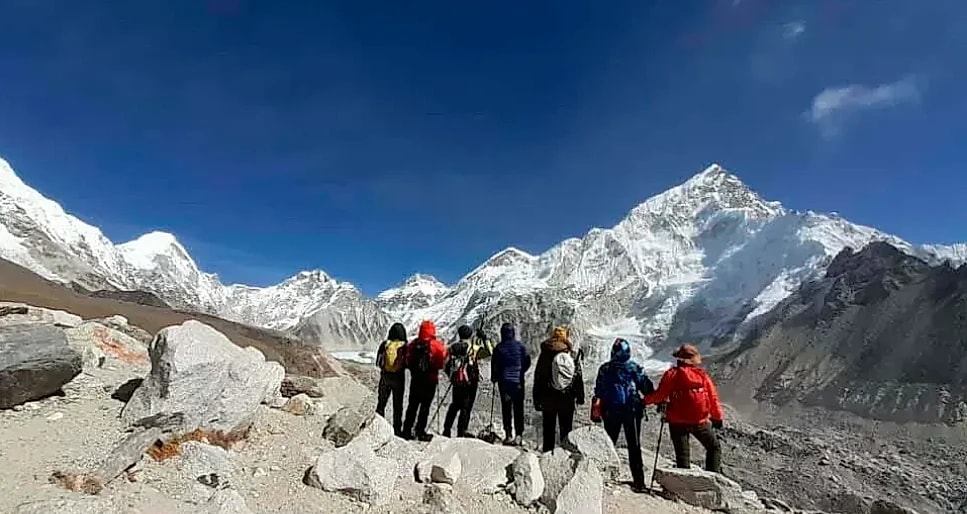
This is the most awaited and memorable day of the trek. Start the morning trek to Gorak Shep, passing over rocky paths and glacial moraines with stunning views of Pumori, Mahalangur, and Nuptse. After reaching Gorak Shep, leave your heavier belongings at the teahouse and continue the hike to Everest Base Camp (EBC). The trail takes you across the rugged terrain of the Khumbu Glacier, with frozen pools, icefalls, and massive boulders along the way. Finally, after steady trekking, you’ll reach Everest Base Camp, the closest you can get to the world’s highest mountain without mountaineering. Here, soak in the dramatic views of the Khumbu Icefall and towering Himalayan peaks all around. Spend time celebrating this incredible achievement before retracing your steps back to Gorak Shep for the night.
Day 11: Trek to Kala Patthar (5,555 meters) and descend to Pheriche (4,371 meters)
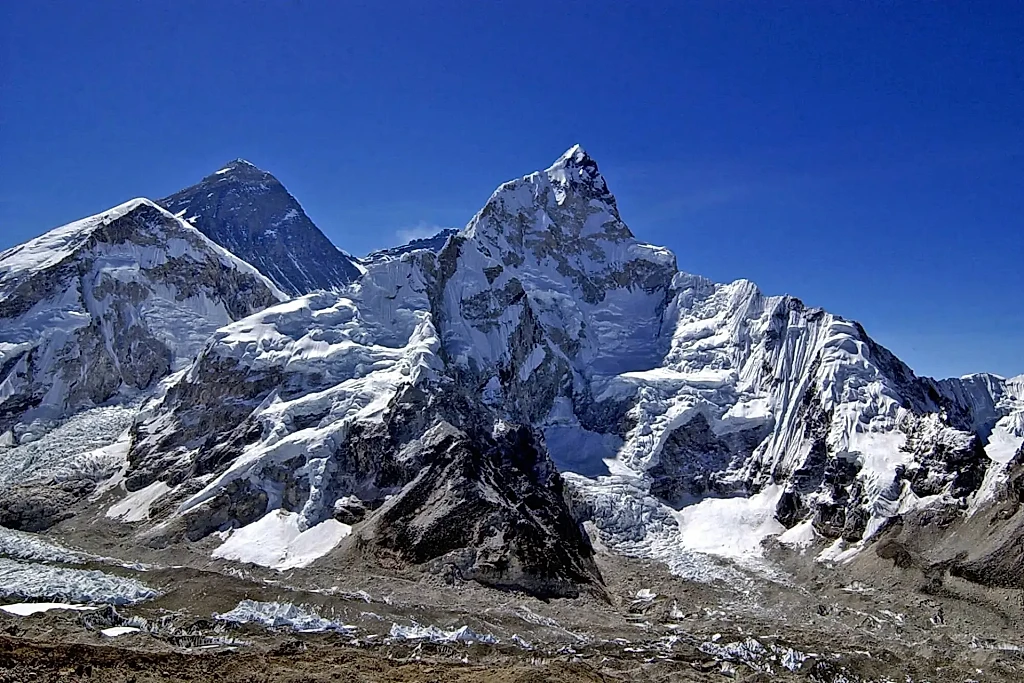
Wake up early for the challenging but rewarding hike to Kala Patthar, one of the best viewpoints in the Everest region. The trail is steep and demanding, but the reward is unparalleled: a panoramic sunrise view of Mount Everest, Lhotse, Nuptse, and Ama Dablam. This is the moment many trekkers consider the highlight of their journey. After spending time at the summit, descend to Gorak Shep for breakfast and then continue trekking downhill towards Pheriche via Lobuche and Dughla. Pheriche is a quiet village with several lodges and is a popular stop for trekkers returning from base camp.
Day 12: Trek back to Tengboche (3,860 meters)
From Pheriche, the trail descends along the Khumbu Khola River, passing Orsho, Shomare, and Pangboche villages. The landscapes gradually transform as you descend from the arid high-altitude terrain back into rhododendron and juniper forests. By afternoon, arrive at Tengboche once again. This gives you another chance to explore the monastery and take in stunning views of Everest and Ama Dablam from this serene location.
Day 13: Trek back to Namche Bazaar (3,440 meters)
Today’s trek retraces the scenic trail back to Namche Bazaar. Descend through forests alive with rhododendron blooms in spring, cross suspension bridges, and pass familiar villages along the way. Once you reach Namche, you can indulge in its comforts once again—shops, bakeries, and lively teahouses. This is a good opportunity to relax and celebrate your successful journey to Everest Base CampCamp.
Day 14: Trek back to Lukla (2,860 meters)
On the final day of trekking, follow the trail down along the Dudh Koshi River, crossing suspension bridges and passing monasteries, chortens, and small villages. The path feels more relaxed as you descend to lower altitudes. By late afternoon, arrive in Lukla, where you can enjoy your last evening in the Khumbu region. This is the perfect time to celebrate the completion of your trek with your guides, porters, and fellow trekkers.
Day 15: Fly back to Kathmandu (1,400 meters)
Catch an early morning flight back to Kathmandu, once again enjoying sweeping views of the Himalayas from above. Upon landing, you will be transferred to your hotel. The afternoon is free to relax, go souvenir shopping, or explore more of the Kathmandu Valley. In the evening, Taste of Nepal hosts a special farewell dinner with cultural performances to celebrate the successful completion of your Everest Base Camp adventure.
Day 16: Departure from Kathmandu
Your journey to Everest Base Camp comes to an end today. A company representative will transfer you to Tribhuvan International Airport three hours before your flight. If you wish to extend your stay in Nepal, you can choose from a variety of add-on tours, such as a jungle safari in Chitwan, white-water rafting, mountain biking, or cultural tours of Tibet, Bhutan, and India.