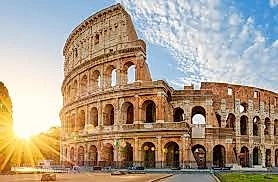
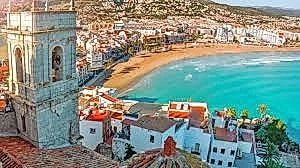
Spain is a country that needs no introduction. With its deep history, beautiful beaches, vibrant nightlife, and mouth-watering cuisine, it’s a destination that offers something for every type of traveler. Whether you're wandering through ancient cities, relaxing on sandy shores, partying till dawn, or indulging in authentic tapas, Spain will captivate your heart and soul. Here’s a guide to the best experiences you can't miss when visiting this incredible country.
A Glimpse into Spain’s Rich History
Spain’s history is like an open book, offering fascinating tales of conquest, art, culture, and architecture. Begin your journey in Madrid, where the impressive Royal Palace and the magnificent Almudena Cathedral showcase the country’s regal past. A visit to the Prado Museum is a must for art lovers, where works by Spanish masters like Velázquez, Goya, and El Greco come to life.
No history trip to Spain is complete without a visit to Granada, home to the stunning Alhambra. This palace-fortress complex, with its intricate Islamic architecture and lush gardens, is a testament to Spain's Moorish heritage. Wander through its halls and get lost in the beauty of centuries-old craftsmanship.
Heading to Seville? Be sure to check out the Seville Cathedral and the Giralda Tower, where history and stunning views come together. And if you’re in the mood for something truly magical, attend a flamenco show, a traditional Spanish dance that has its roots deeply entrenched in Andalusian culture.
Spain’s Sun-Kissed Beaches
Spain is home to some of the most beautiful beaches in Europe, offering everything from crystal-clear waters to lively party scenes.
For a lively vibe, head to the Costa Brava in Catalonia. Cities like Barcelona offer the perfect balance of sun, sea, and city life, where you can lounge on the beach by day and explore the stunning architectural wonders of Antoni Gaudí by night. Barceloneta Beach is the place to be for both relaxation and people-watching, while Marbella along the Costa del Sol is famed for its luxurious beaches and upscale beach clubs.
If you’re seeking something more tranquil, the Balearic Islands, including Ibiza and Mallorca, boast some of Spain’s best beaches. On Ibiza, you’ll find more than just great nightlife; you can escape to serene coves like Cala d'Hort, where the turquoise water meets golden sands. For a more peaceful getaway, Formentera, the smallest of the Balearic Islands, offers some of the clearest waters in Europe.
Nightlife Like No Other
Spain is known for its vibrant nightlife, and it’s a crucial part of the country's culture. Whether you want to party all night or enjoy a more relaxed evening, Spain has it all.
The nightlife in Madrid and Barcelona is legendary. In Madrid, head to the bustling neighborhoods of Malasaña or Chueca, where you’ll find trendy bars, live music venues, and clubs. For an authentic Spanish night out, start with a late dinner and tapas, then hit one of the city’s many rooftop bars before heading to a club.
Meanwhile, Barcelona is perfect for those who want to party till sunrise. The El Raval and El Born neighborhoods are known for their electric atmosphere, with trendy bars and nightclubs scattered around every corner. Don't miss Pacha Barcelona, one of the most famous clubs in the city.
And, of course, Ibiza reigns supreme when it comes to nightlife. It’s the party capital of Europe, and for good reason. Famous clubs like Amnesia and Pacha Ibiza attract world-class DJs, while beach clubs offer a more relaxed but equally stylish experience.
The Flavors of Spain: A Culinary Adventure
Spanish cuisine is as diverse as its regions, with each area offering unique flavors and dishes. The journey begins with tapas, small plates that allow you to taste a variety of dishes. In Seville, try jamón ibérico (cured Spanish ham) or tortilla española (Spanish omelette). You can’t leave Spain without sampling paella, the iconic rice dish originally from Valencia, brimming with seafood, saffron, and fresh vegetables.
Barcelona offers a culinary experience filled with Mediterranean flavors. Feast on pan con tomate (bread with tomato), calçots (grilled spring onions), and crema catalana (a rich custard dessert similar to crème brûlée). Pair your meal with some cava, Spain's famous sparkling wine, for the full Catalan experience.
In the north, San Sebastián is the undisputed food capital of Spain, known for its pintxos, which are small bites skewered on toothpicks. Many of the city's Michelin-starred restaurants offer exquisite fine dining, blending modern and traditional techniques.
And don’t forget dessert! Spanish churros, often served with a thick cup of hot chocolate, are a sweet end to any meal, especially in the winter months.
Spain is a country of endless charm and diversity. Whether you're soaking up the sun on the beaches, diving into the rich history, enjoying the vibrant nightlife, or indulging in delicious food, there’s no shortage of experiences to fill your itinerary. Every corner of Spain invites exploration, and each region offers something unique to discover. From its awe-inspiring history to the warmth of its people and the beauty of its landscapes, Spain is a destination that will leave you craving more. So pack your bags, grab your sunglasses, and get ready to embark on the adventure of a lifetime in Spain!
Travel Tips for Visiting Spain: Make the Most of Your Spanish Adventure
Spain is a dream destination for many travelers, but to fully enjoy all it has to offer, it’s important to be prepared. Whether you’re savoring local cuisine, navigating historical sites, or dancing until dawn, these practical travel tips will help ensure your trip to Spain is smooth and unforgettable.
1. Learn Some Basic Spanish Phrases
While many people in Spain speak English, especially in larger cities and tourist hotspots, it's always appreciated when travelers make an effort to speak the local language. A few basic phrases can go a long way:
Hola (Hello)
Gracias (Thank you)
Por favor (Please)
¿Cuánto cuesta? (How much does it cost?)
¿Dónde está el baño? (Where is the bathroom?)
¿Hablas inglés? (Do you speak English?)
Learning a few words of Spanish will not only make your experience more enjoyable but also endear you to the locals.
2. Be Prepared for Late Meals and Late Nights
In Spain, meals are typically eaten later than in many other countries. Lunch is usually served between 2:00 PM and 4:00 PM, and dinner is often not until 9:00 PM or later. It’s common for restaurants and bars to stay open late, sometimes until the early hours of the morning, especially in cities like Madrid and Barcelona.
If you’re planning to dine in Spain, don’t rush through your meals. Spanish dining culture is relaxed and meant to be savored, so take your time and enjoy every bite. Expect the evening to stretch long into the night—this is Spain, after all!
3. Keep an Eye on Your Belongings
Like many major tourist destinations, pickpocketing can be an issue in crowded areas of Spain, particularly in busy cities like Barcelona and Madrid. Be mindful of your belongings, especially in crowded places like markets, subway stations, and tourist attractions. Use a cross-body bag with zippers or a money belt, and avoid keeping all your cash in one place.
4. Siesta Time – Plan Accordingly
While not as common as it once was, siesta (the afternoon nap) is still observed in certain regions, particularly in smaller towns and rural areas. Many shops and businesses may close for a few hours in the afternoon, usually between 1:30 PM and 5:00 PM, to give locals a break. However, in larger cities and tourist areas, many places stay open. Check the hours of the attractions you want to visit in advance.
5. Use Public Transportation
Spain boasts an excellent public transportation system, especially in cities like Madrid, Barcelona, and Valencia. The Metro and buses are efficient and affordable, making them great options for getting around. In major cities, you can purchase multi-day transport passes, which allow unlimited travel on public transit. Taxis are also available, but they tend to be more expensive than public transportation.
For those heading to Barcelona, renting a Bicing (bike-sharing service) is a great way to explore the city, especially with its network of dedicated bike lanes.
6. Respect Local Etiquette
Tipping: Tipping in Spain is not mandatory but appreciated for good service. It’s customary to leave a tip of around 5-10% in restaurants or round up your bill in cafes. For hotel staff or taxi drivers, a small tip of €1-2 is fine.
Dress code: Spaniards are known for their fashion sense. When going out, especially to nicer restaurants or clubs, dress smartly. In some places, like upscale clubs in Madrid or Ibiza, there may be a dress code that prohibits casual wear like flip-flops or tank tops.
Personal space: Spaniards tend to be more relaxed with personal space, especially when it comes to conversations. Don’t be surprised if people stand closer to you in public places.
7. Be Mindful of the Weather
Spain has a Mediterranean climate, with hot summers and mild winters. If you’re visiting in the summer, especially in places like Seville or Granada, be prepared for extremely hot weather, with temperatures often reaching above 35°C (95°F). Always carry sunscreen, wear light clothing, and drink plenty of water. If you're traveling to the beach, don’t forget to pack your swimsuit, sunglasses, and a hat.
In contrast, winters can be chilly in the northern regions, like San Sebastián or Santiago de Compostela, so pack accordingly if you’re visiting during the cooler months.
8. Stay Hydrated and Keep Snacks Handy
Spain’s hot summers can be intense, so always carry a bottle of water with you, especially when sightseeing in more rural or mountainous areas. You’ll find water fountains in some public areas, but it’s a good idea to grab bottled water, especially in remote areas. Tapas are also a great snack, and many bars offer free tapas with a drink, so don’t miss the opportunity to indulge in local delicacies.
9. Book in Advance for Popular Attractions
Some of Spain’s top attractions, like the Alhambra in Granada or the Sagrada Família in Barcelona, can get quite crowded. To avoid long lines or disappointment, it’s best to book your tickets in advance. You can often buy tickets online, which saves you time and guarantees your spot.
10. Watch Out for Spanish Holidays and Festivals
Spain has a rich tradition of festivals, and some of these can cause crowds and temporary closures of businesses or attractions. Semana Santa (Holy Week) and La Tomatina (tomato-throwing festival) are two of the most famous, but there are many others throughout the year. Be sure to check the local calendar for events during your visit, and if you’re planning to attend a festival, make sure you’re prepared for large crowds and unique experiences!
11. Cash vs. Cards
Credit and debit cards are widely accepted in Spain, especially in major cities, but it’s still a good idea to carry some cash for smaller shops, local markets, or for tips. ATMs are easily found, but be aware of any fees your bank may charge for withdrawals abroad.
With these tips in hand, you’re ready to make the most of your Spanish adventure! From the sun-kissed beaches to the historic wonders and bustling nightlife, Spain offers endless opportunities for discovery. Embrace the culture, savor the flavors, and immerse yourself in everything this incredible country has to offer. Buen viaje!