First Night in Tokyo
After landing in Tokyo, I made my way into the city and checked into a 9H capsule hotel. Sleeping in a capsule felt strange at first, almost like staying in a futuristic mortuary, but it turned out to be surprisingly comfortable.
That evening, I went straight into Tokyo’s nightlife. The first real Japanese meal happened almost by accident, inside a small izakaya with a fully Japanese menu. With a bit of guessing and a lot of trust, the food turned out to be amazing.
Later, I explored Shinjuku, one of Tokyo’s most energetic districts. Bright neon signs, game halls, packed streets, the famous 3D billboard, Omoide Yokocho, and Golden Gai all made the first night feel intense, chaotic, and unforgettable.
Temples, Parks and Football in Tokyo
The next morning started early with a cheap breakfast from FamilyMart before heading to Meiji Shrine, one of Tokyo’s most famous Shinto shrines. Walking through the surrounding forest was a peaceful contrast to the chaos of the city.
From there, I visited Shinjuku Gyoen National Garden, a calm green escape in the middle of Tokyo. After that, I made my way to Sensō-ji, Tokyo’s oldest Buddhist temple. Even though the current buildings are reconstructions after World War II, the temple complex still felt incredibly impressive.
One of the most unique experiences in Tokyo was attending a football match: Tokyo Verdy vs Osaka. The atmosphere was completely different from football back home. Instead of aggression, the stadium was filled with respect, songs, and passionate supporters. As a football fan, it was a special experience.
The evening ended with food, drinks, and a race to catch the last train after discovering a bar where the drink size doubled each round.
Shopping and Skyline Views in Shibuya
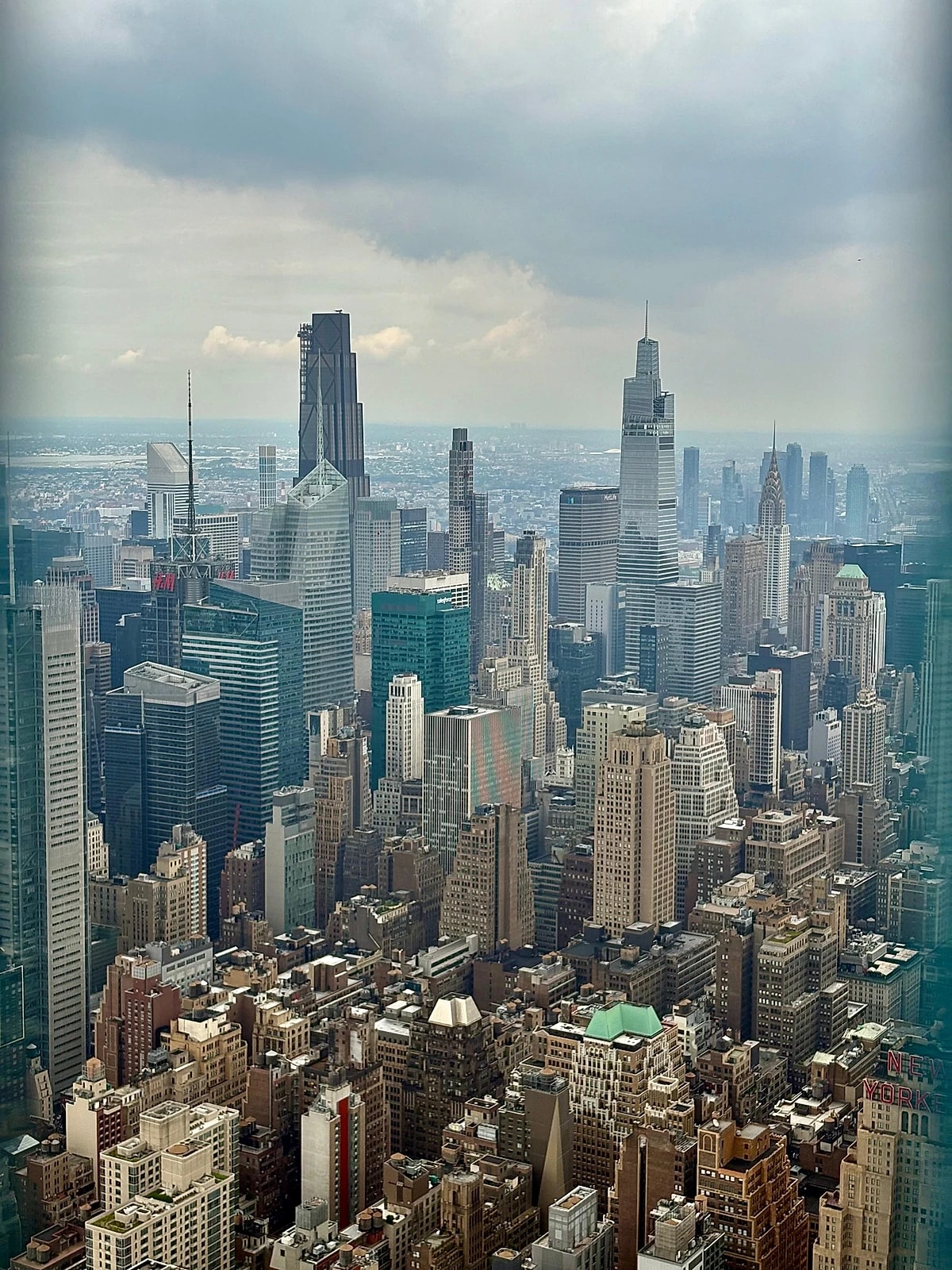
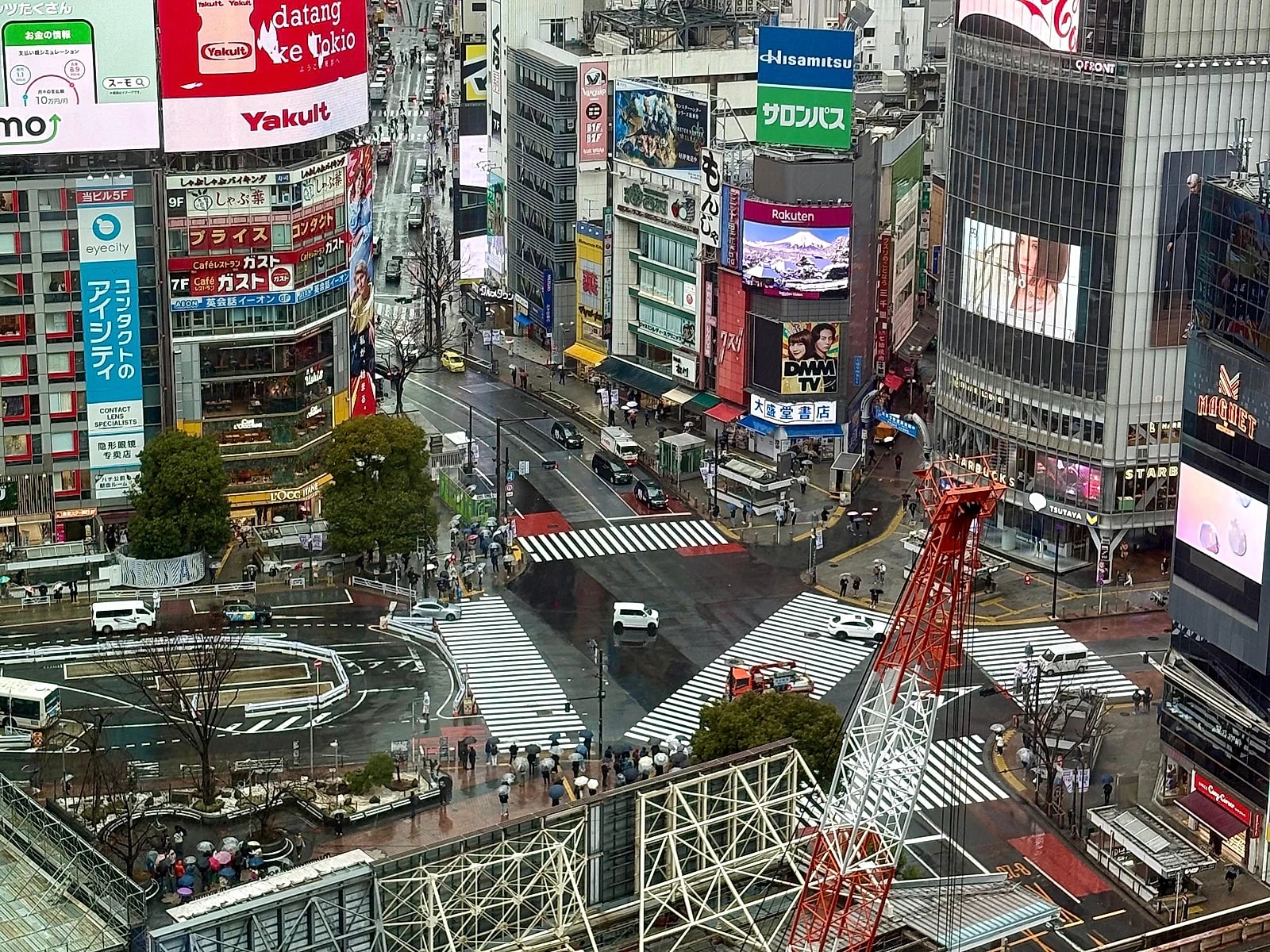
The next day was all about Shibuya. I visited Shibuya Sky, a viewpoint high above the city with incredible views over Tokyo. Unfortunately, the outdoor deck was closed because of bad weather, but the view was still worth it.
Afterwards, I spent the day shopping through vintage stores, designer shops, and affordable Japanese brands. Tokyo is a dream city for anyone who enjoys fashion, streetwear, and unexpected finds.
The day ended at a self-BBQ restaurant where unlimited lemon sour drinks could be added for a surprisingly low price. It was one of those typical Japanese concepts that makes you wonder why it does not exist everywhere.
Road Trip to Enoshima, Kamakura and Mount Fuji
After saying goodbye to Tokyo, I picked up a rental car and started the road trip. Driving in Japan was a challenge at first, with the steering wheel on the right and traffic on the left, but after a few risky moments it quickly became manageable.
The first stops were Enoshima and Kamakura, two coastal destinations south of Tokyo. Enoshima offered sea views, rocky paths, and a quieter atmosphere, while Kamakura was full of temples and the famous Great Buddha.
That evening, the plan was to drive toward Mount Fuji. What should have been a short journey turned into a five-hour struggle because of heavy snow and closed roads. Luckily, the hotel spa was open late, making it possible to recover after a hectic drive.
The next day was dedicated to Mount Fuji. Unfortunately, the weather was not on my side. With a very low visibility index, seeing the mountain clearly was almost impossible. Still, the route around the area was worth it. I visited Shiraito Falls, Lake Kawaguchiko, and Arakurayama Sengen Park, where the famous pagoda viewpoint normally offers one of Japan’s most iconic views of Mount Fuji.
Even without the perfect Fuji view, the road trip showed a completely different side of Japan.
From Tokyo to Kyoto by Night Bus
After returning the car to Tokyo, I had a little time left to explore Akihabara, the center of anime, gaming, and otaku culture. It was the complete opposite of the peaceful landscapes around Mount Fuji.
Before boarding the night bus to Kyoto, I finally had proper sushi in Japan. Freshly prepared in front of me, it was one of those meals that made me understand why sushi is such an essential part of the experience.
That night, I took an eight-hour bus to Kyoto, hoping to arrive somewhat rested.
Kyoto: Shrines, Markets and Monkeys
I arrived in Kyoto early in the morning. After doing laundry and dropping off my bags, I headed straight to Fushimi Inari Shrine, famous for its thousands of red torii gates. Walking through the endless gates up the mountain was one of the most memorable experiences in Kyoto.
Later, I visited Nishiki Market, a food market filled with local snacks, seafood, sweets, tea, coffee, and small street food stalls. I also went to Monkey Park Iwatayama, where Japanese macaques roam freely on a hill overlooking the city. Feeding the monkeys while enjoying the view over Kyoto was a surprisingly fun experience.
The day also included the famous bamboo forest, although the huge number of tourists made it feel slightly less magical than expected.
Kyoto, Nara and Street Food
The next day started with Hokan-ji, also known as the Yasaka Pagoda. The surrounding streets, filled with traditional buildings and souvenir shops, showed one of Kyoto’s most photogenic sides.
Back at Nishiki Market, I tried wagyu sushi, sake, a wagyu croquette, and other local bites. After seeing plenty of temples in Kyoto, I decided to take the train to Nara.
Nara is famous for its free-roaming deer, and they were everywhere. The deer bow in exchange for crackers, but they also know exactly where the food comes from. Any tourist reaching into their pocket quickly becomes the center of attention.
I also visited the outside of Tōdai-ji Temple, one of Nara’s most impressive historic sights, before returning to Kyoto for another wagyu meal.
Osaka: Castles, Neon Streets and Skyscrapers
From Kyoto, I took the Shinkansen to Osaka. The journey took only around 13 minutes, which felt unreal considering the distance.
My first stop was Osaka Castle. Even from a distance, the castle looked impressive, especially because of its size and height. Instead of waiting in the long queue to go inside, I continued toward Dotonbori.
Dotonbori was everything I expected from Osaka: neon signs, giant food displays, busy streets, restaurants, bars, and endless energy. From there, I walked toward Shinsekai and visited Tsutenkaku Tower, where the sunset view over the city was beautiful.
Unfortunately, the evening took a turn when the food did not sit well and the rest of the night became a recovery mission.
Solo Exploring in Osaka
The next day, I explored Osaka solo while my travel companion recovered. I started with breakfast from 7-Eleven in a sunny park and planned out the day.
First, I visited Umeda Sky Building, a futuristic skyscraper made up of two connected towers. Then I continued to Harukas 300, one of Osaka’s best viewpoints. Standing 300 meters above the city, the view was incredible.
Later, I visited Namba Yasaka Shrine, known for its huge lion-head-shaped structure, and ended the day at the Pokémon Center near Dotonbori. As Pokémon originated in Japan, visiting the shop felt like a nostalgic must-do.
A 24-Hour Stopover in Shanghai
The final part of the journey was a 24-hour stopover in Shanghai. After flying from Osaka to Shanghai, I arrived at Pudong Airport with no real expectations.
China immediately felt completely different from Japan. Strict border control, heavy surveillance, limited access to familiar apps, and difficulties with payment systems made the arrival challenging. Without local internet, apps like maps, messaging, and payment platforms became difficult or impossible to use.
Still, the Maglev train from Pudong Airport into the city was impressive. Reaching speeds close to 300 km/h, it made the journey into Shanghai feel futuristic.
After checking into the hotel, I visited a fake market filled with replica designer clothing before heading to The Bund. This riverside viewpoint offers one of the best skyline views in the world. Seeing Shanghai’s skyscrapers light up across the Huangpu River was genuinely spectacular.
I also crossed the river to walk between the skyscrapers and planned to visit the Shanghai Tower, one of the tallest buildings in the world. Unfortunately, because of the smog, the view from the top would not have been worth it.
After a final meal, the adventure slowly came to an end.
This trip was a journey of contrasts: Tokyo’s neon chaos, Kyoto’s ancient temples, Mount Fuji’s snowy roads, Osaka’s street food and skyscrapers, and Shanghai’s futuristic but challenging cityscape. It was intense, unpredictable, funny, exhausting, and unforgettable.