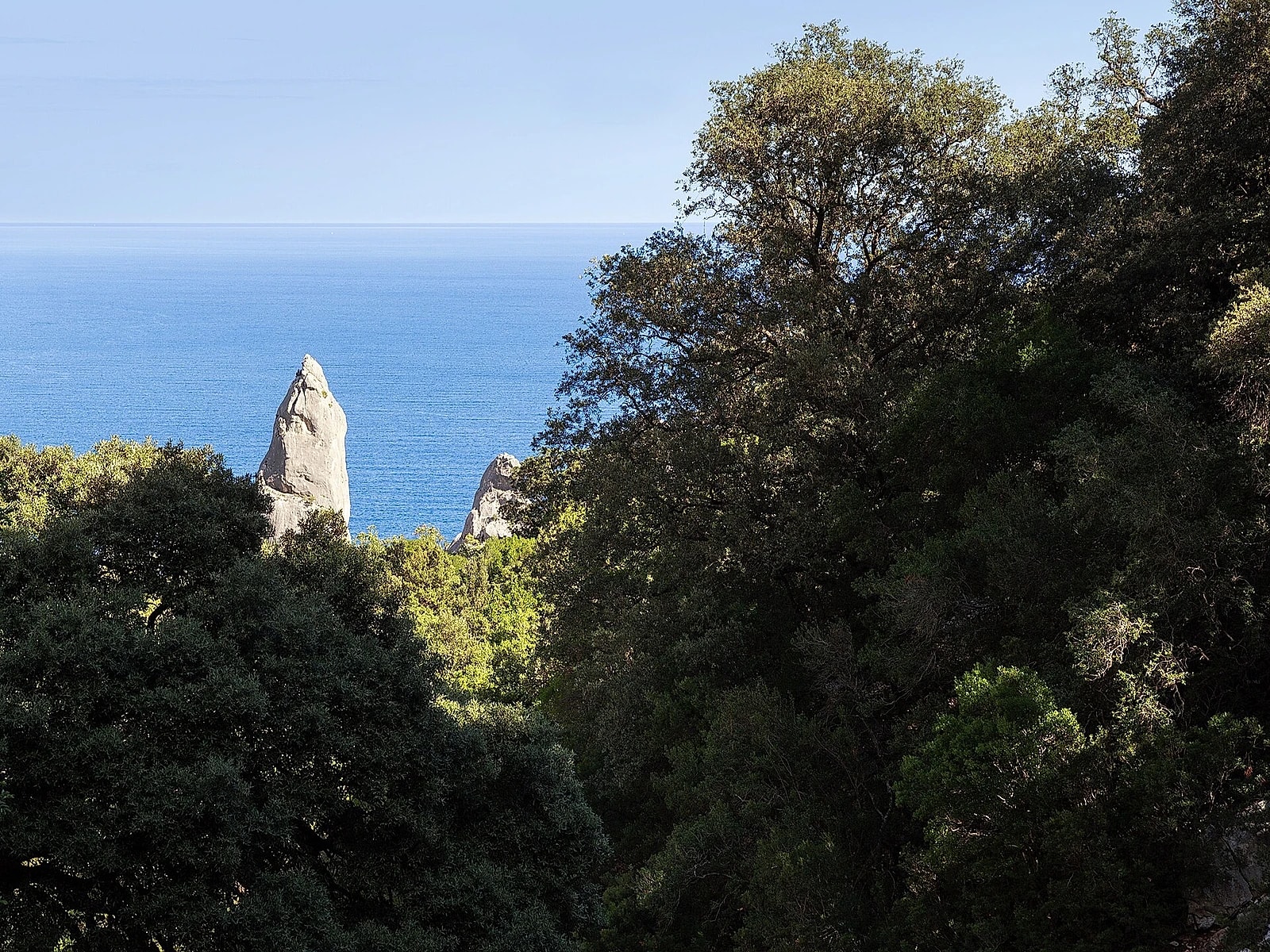
Sardinia feels like a little continent: wild mountains, ancient stone towers and some of the clearest water in the Mediterranean. As an islander myself, I love how fiercely Sardinia keeps its own language, food and traditions.
My twist: travel like a centenarian
Sardinia's mountainous Ogliastra and Barbagia areas are famous "Blue Zones", where an unusual number of people live to 100. Slow down like they do: long family lunches, walks in the hills, a glass of local red Cannonau and plenty of time with friends.
Where to stay
Alghero – a Catalan-flavoured walled town in the north-west.
An agriturismo in Barbagia – farm stays in the mountains with home cooking.
Cala Gonone – a base for the dramatic Gulf of Orosei.
Out-of-the-norm Sardinia
Orgosolo murals – a mountain village covered in political and folk-art murals.
Nuraghi – thousands of mysterious Bronze Age stone towers. Su Nuraxi is the most impressive.
Pink sand of Budelli – admire it from a boat in the Maddalena islands (the beach itself is protected).
Su Gologone – a crystal-clear spring rising from deep in the rock.
Slow days
Gulf of Orosei by boat – coves like Cala Goloritzé and Cala Mariolu.
La Pelosa – shallow, turquoise water in the north-west (book entry in summer).
Gola di Gorropu – hike into one of Europe's deepest gorges.
Eat & drink
Pane carasau – crisp shepherd's flatbread.
Culurgiones – hand-pinched potato and mint ravioli.
Seadas – fried cheese pastry with honey.
Cannonau and Vermentino – the island's red and white.
When to go
May–June and September–October for warm sea and quiet beaches.
Want Sardinia beyond the beach clubs? Get in touch and I'll plan your island escape.
Cover photo: Unukorno / Wikimedia Commons, CC BY 4.0