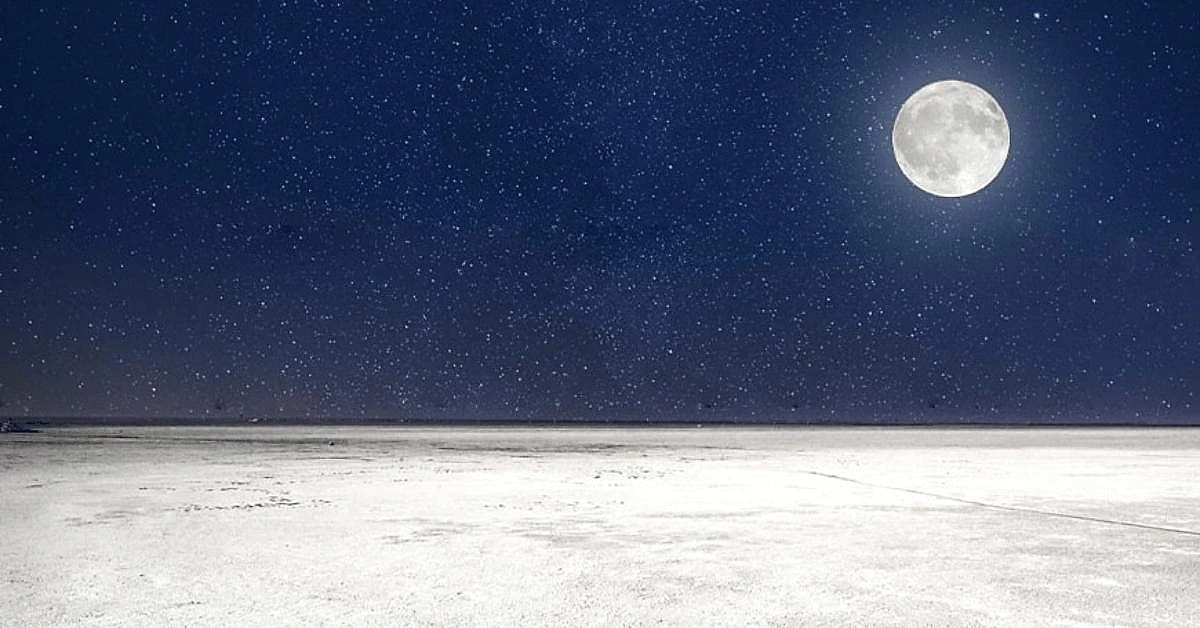
The Rann of Kutch feels like the world has been stripped down to its most honest form. No distractions, no clutter—just an endless stretch of white that blurs the line between land and sky. It’s not emptiness in the usual sense. It’s clarity.
You step onto the salt desert and immediately feel it. The vastness doesn’t overwhelm you—it simplifies everything. There’s nothing to chase here, nothing to consume. Just space. Pure, uninterrupted space.
During the day, the Rann feels almost surreal. The brightness reflects off the ground, making the horizon look infinite. But it’s in the evening that the place begins to shift. The sun lowers, the light softens, and the white desert starts absorbing colors—gold, orange, violet.
And then night arrives.
If you’re there during a full moon, the experience becomes something else entirely. The desert glows. Not brightly, not harshly—but softly, like it’s lit from within. You can walk for long stretches without saying a word, and still feel like something meaningful is happening.
From a travel perspective, the Rann is best experienced with intention. Stay overnight if possible—this is not a place you rush in and out of. The nearby tent stays during Rann Utsav offer comfort, but if you visit off-season, you’ll experience something even rarer: silence without interruption.
There are activities, yes—cultural performances, camel rides—but the real experience lies in stepping away from all of it. Walk into the emptiness. Sit down. Stay longer than you think you should.
The Rann doesn’t give you anything new. It takes things away—until what’s left feels enough.
Best Time to Visit: November to February
How to Reach: Fly/train to Bhuj, then drive
Travel Tip: Stay overnight—moonlit desert is the real experience