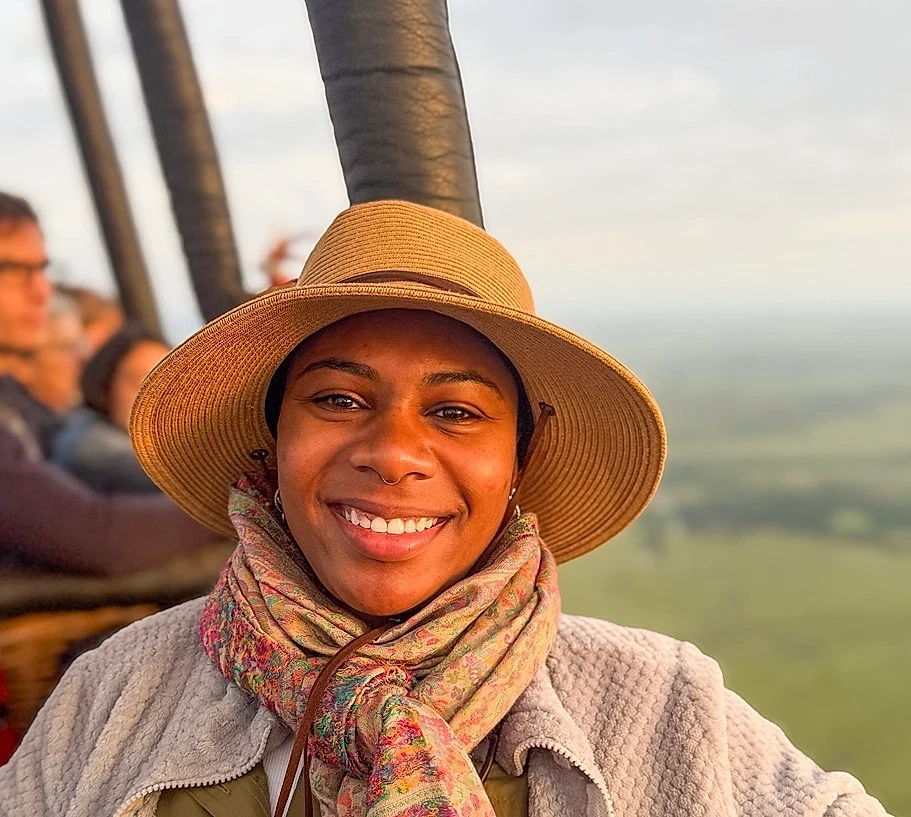
Kenya is one of the few places on Earth where wildlife still moves across vast open landscapes and where a single trip can take you from bustling cities to remote savannahs filled with lions, elephants, and migrating herds. A well-planned itinerary blends iconic safari experiences with cultural encounters and stunning natural scenery. From the plains of the Maasai Mara to the dramatic views of Mount Kilimanjaro in Amboseli, Kenya offers one of the most immersive wildlife experiences in Africa.
Why Visit Kenya
Kenya is considered one of Africa’s premier safari destinations thanks to its diverse ecosystems and extraordinary wildlife. Travelers can spot the Big Five (lion, elephant, buffalo, rhino, and leopard) and witness the world-famous Great Migration, when millions of wildebeest and zebras move across the plains between July and October.
But Kenya isn’t only about safari. The country also offers vibrant cities, rich Maasai culture, lush lakes, and Indian Ocean beaches.
Best Time to Visit
The best safari conditions occur during Kenya’s dry seasons, when animals gather around water sources and visibility is high.
June – October: Peak safari season and Great Migration
January – February: Dry, warm, and great for wildlife viewing
April – May: Long rainy season (some lodges close)
A Classic 7–10 Day Kenya Itinerary:
A week to ten days is ideal for first-time visitors because it allows time to explore multiple parks and ecosystems without rushing.
Day 1–2: Nairobi
Kenya’s capital is often the starting point for safaris.
Top experiences
Visit Nairobi National Park, where lions roam with the city skyline in the distance
Stop at the Giraffe Centre
Explore local markets and restaurants
Nairobi provides a fascinating mix of urban life and wildlife conservation.
Day 3–5: Maasai Mara National Reserve

The Maasai Mara is Kenya’s most famous safari destination and one of Africa’s best places to see predators and the Great Migration. (El País)
Highlights
Morning and evening game drives
Big Five wildlife sightings
Hot air balloon safaris over the plains
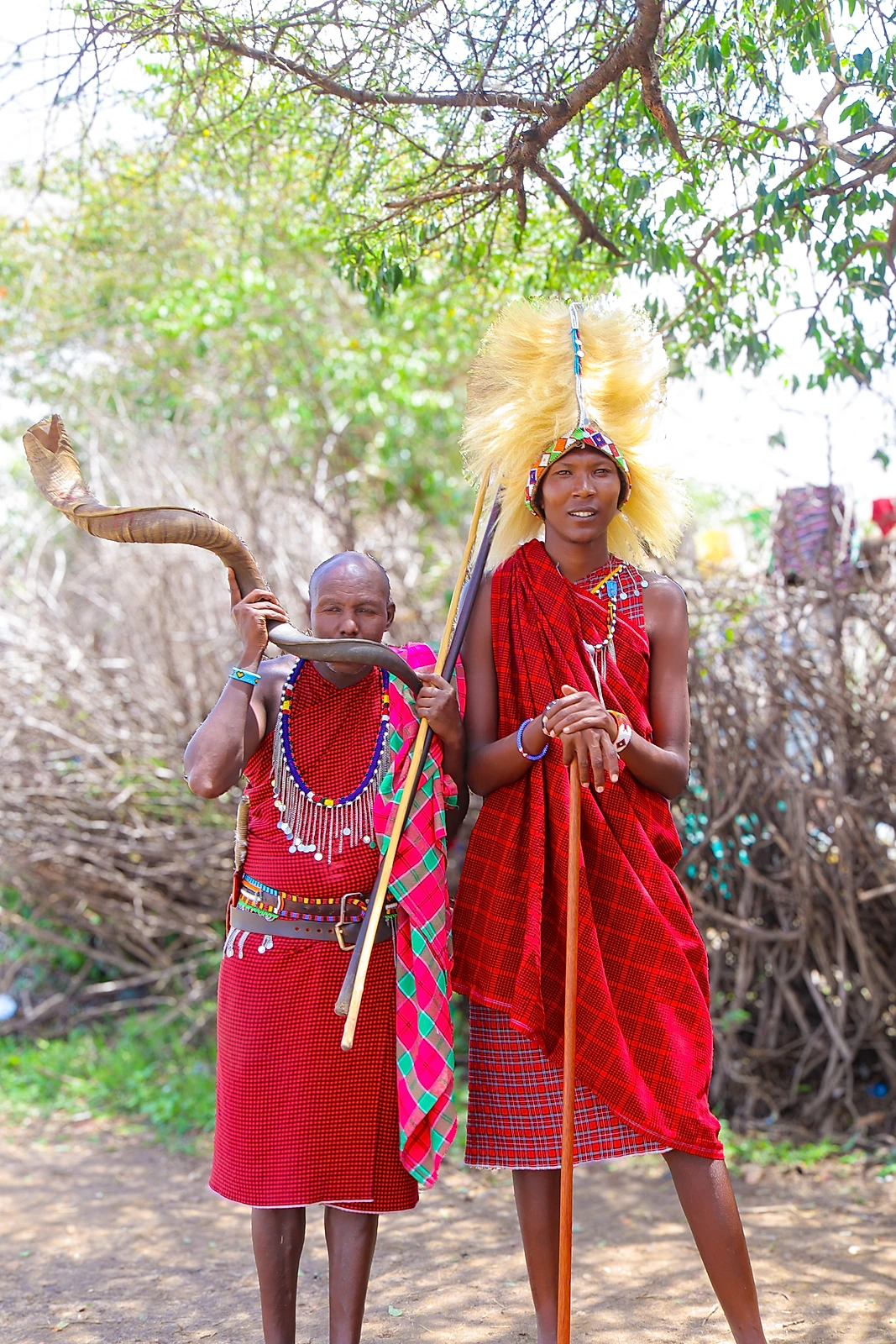
Cultural visits to Maasai villages
Expect vast savannah landscapes dotted with acacia trees and abundant wildlife.
Day 6–7: Lake Naivasha or Lake Nakuru
After the Mara, head to the Great Rift Valley lakes.
Lake Naivasha
Boat safaris among hippos
Walking safaris on Crescent Island
Lake Nakuru
Flamingos and birdlife
Black and white rhinos
Scenic cliffs overlooking the lake
These lakes add variety to a safari itinerary with wetlands and forest landscapes.
Day 8–10: Amboseli National Park


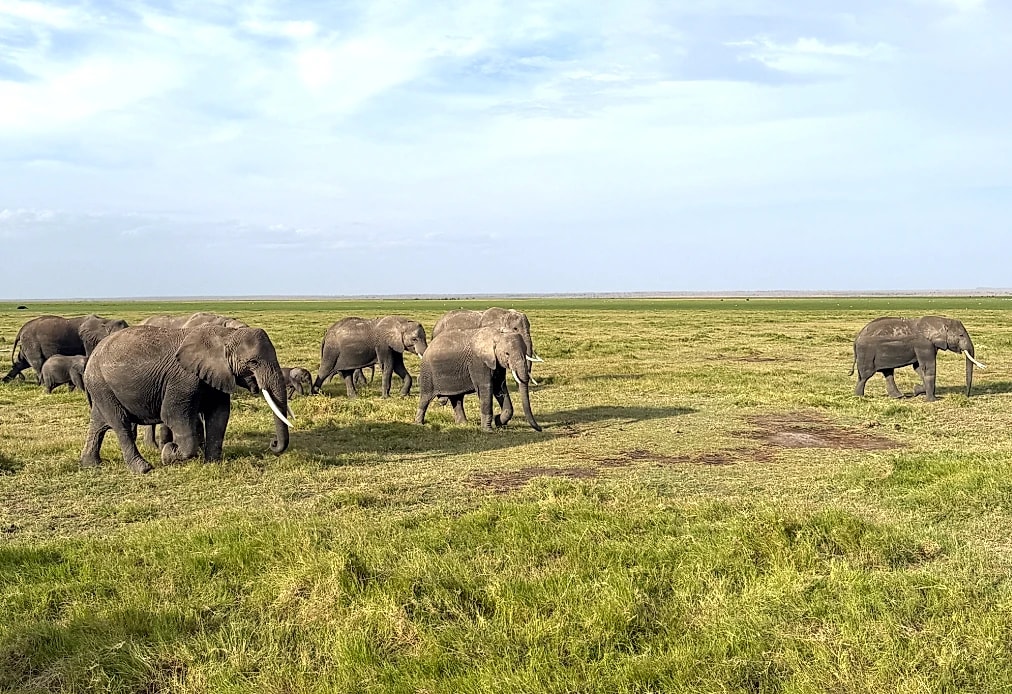
Amboseli is famous for its huge elephant herds and dramatic views of Mount Kilimanjaro, Africa’s tallest mountain.
Why visit
Photograph elephants against Kilimanjaro
Explore open wetlands and savannah
Visit Maasai communities
It’s one of the most photogenic parks in East Africa.
Cultural Experiences:
A safari in Kenya also offers opportunities to learn about local traditions.
Maasai villages
Traditional dances and ceremonies
Insight into pastoralist culture
Handmade crafts and beadwork
These experiences provide cultural context for the landscapes and wildlife.
Essentials
Neutral-colored clothing
Comfortable walking shoes
Binoculars and camera
Sun protection and hat
Light layers for cool mornings
Layering is important because temperatures vary between chilly early mornings and hot afternoons.
Travel Tips:
Plan at least 7–10 days for a balanced itinerary.
Choose experienced guides for the best wildlife sightings.
Book lodges early during migration season.
Respect wildlife distance rules during game drives.
Kenya delivers one of the most powerful travel experiences in the world. Between sunrise game drives, Maasai cultural encounters, and landscapes filled with wildlife, the country offers a rare sense of wilderness that few destinations still preserve.
It’s not just a safari destination—it’s a place where travelers witness the rhythm of the natural world unfolding in real time.