The Caribbean is one of the world’s most captivating travel destinations, a region made up of tropical islands, turquoise waters, coral reefs, rainforests, colonial towns, and vibrant cultures shaped by African, European, Indigenous, and Asian influences. Stretching from the Bahamas in the north to Trinidad in the south, the Caribbean offers extraordinary diversity despite its reputation as simply a beach destination.
Every island has its own personality. Some are known for luxury resorts and nightlife, others for volcanic landscapes, music festivals, sailing, diving, or historical heritage. Whether you are seeking relaxation, adventure, romance, or cultural exploration, the Caribbean provides experiences that go far beyond palm trees and white sand beaches.
Best Time to Visit
The most popular travel season in the Caribbean runs from December through April, when temperatures are warm and rainfall is lower. During these months, visitors escape colder climates to enjoy sunny skies and comfortable beach weather.
The summer and early autumn months are hotter and more humid, with occasional tropical storms and hurricane risks, especially between August and October. However, this period often offers lower hotel prices and fewer crowds.
Different islands have slightly different climates. Southern islands such as Aruba, Barbados, and Trinidad and Tobago are generally less affected by hurricanes than northern destinations.
Island Diversity
One of the Caribbean’s greatest strengths is the variety between islands. Travelers can choose destinations based on atmosphere, activities, and culture.
Jamaica is famous for reggae music, waterfalls, jerk cuisine, and lively energy. Visitors can explore mountains, beaches, and cultural sites linked to Bob Marley.
The Bahamas attracts travelers with crystal-clear waters and luxury resorts spread across hundreds of islands and cays.
Dominican Republic combines all-inclusive beach resorts with historic colonial architecture and mountain landscapes.
Saint Lucia is celebrated for its dramatic volcanic peaks, rainforest scenery, and romantic atmosphere, especially around the iconic Pitons.
Meanwhile, Cuba offers a completely different experience with vintage cars, colorful colonial streets, live music, and revolutionary history.
Beaches and Water Activities
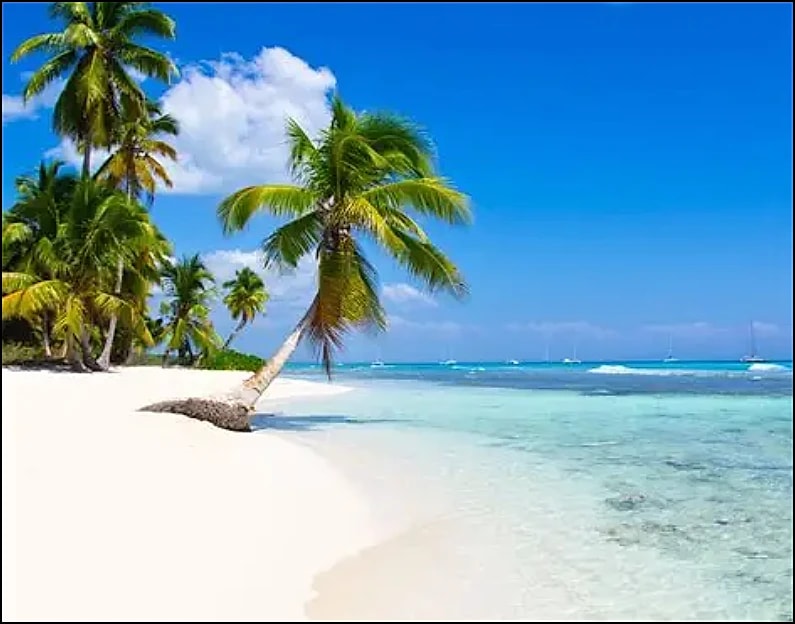
The Caribbean is globally famous for its beaches, many of which rank among the world’s most beautiful. Powdery white sand, calm turquoise seas, and swaying palm trees define countless coastlines across the region.
Popular beaches include Seven Mile Beach, Eagle Beach, and Grace Bay Beach.
Water activities are central to Caribbean travel. Snorkeling and scuba diving reveal coral reefs filled with tropical fish, sea turtles, and shipwrecks. Islands such as Belize and the Cayman Islands are particularly well known for diving.
Sailing is another major attraction. Many visitors charter boats through the British Virgin Islands or cruise between smaller islands in the eastern Caribbean.
Food and Local Cuisine
Caribbean cuisine reflects centuries of migration and cultural blending. Fresh seafood, tropical fruits, spices, rice dishes, and grilled meats are staples across the region.
Popular dishes include:
Jerk chicken in Jamaica
Flying fish and cou-cou in Barbados
Roti in Trinidad and Tobago
Conch fritters in The Bahamas
Rice and peas throughout the region
Rum is deeply connected to Caribbean history and culture. Distilleries across islands such as Puerto Rico and Barbados welcome visitors for tastings and tours.
Street food culture is vibrant, especially near beaches and markets where local vendors prepare fresh seafood, fried snacks, and tropical drinks.
Music and Culture
Music is inseparable from Caribbean identity. Different islands have created globally influential musical styles, including reggae, calypso, soca, dancehall, salsa, and zouk.
Festivals play a major role in regional culture. Carnival celebrations in places like Trinidad and Tobago feature elaborate costumes, dancing, and street parades that attract visitors from around the world.
The Caribbean also has a rich literary and artistic tradition shaped by colonial history, slavery, migration, and independence movements. Exploring museums, local art galleries, and historical districts can add depth to a beach-focused vacation.
Nature and Adventure
Beyond the beaches, the Caribbean contains rainforests, volcanoes, caves, waterfalls, and mountain ranges. Adventure travelers can hike through tropical forests, zip-line over valleys, or kayak through mangroves.
In Dominica, known as the “Nature Island,” visitors can explore hot springs, jungle trails, and waterfalls. Saint Lucia offers volcanic hikes and mud baths, while Puerto Rico is home to El Yunque National Forest, the only tropical rainforest in the U.S. National Forest System.
Marine wildlife experiences are also popular. Depending on the island and season, travelers may encounter dolphins, rays, whales, or nesting sea turtles.
Cruises and Island Hopping
Cruises are one of the most common ways to experience the Caribbean, allowing travelers to visit several islands in one trip. Major cruise ports include Nassau, San Juan, and Bridgetown.
However, many travelers prefer staying longer on one or two islands to experience local culture more deeply. Regional airlines and ferries make island hopping possible, especially within the eastern Caribbean.
Each island has unique traditions, accents, cuisines, and landscapes, so even short journeys between neighboring islands can feel like entering a different country.
Practical Travel Tips
The Caribbean includes independent nations, overseas territories, and islands connected to countries such as the United States, France, the Netherlands, and the United Kingdom. Entry requirements, currencies, and official languages therefore vary between destinations.
English is widely spoken on many islands, though Spanish, French, Dutch, and Creole languages are also common.
Travelers should pack lightweight clothing, sunscreen, insect repellent, and reef-safe products to help protect marine ecosystems. Respect for local communities and environmental conservation is increasingly important, particularly on smaller islands vulnerable to climate change and over-tourism.
Final Thoughts
The Caribbean is far more than a collection of beautiful beaches. It is a region rich in history, resilience, creativity, and cultural diversity. Travelers can spend their days diving coral reefs, hiking volcanic mountains, listening to live music, tasting extraordinary cuisine, or simply watching the sunset over calm tropical waters.
What makes the Caribbean unforgettable is the atmosphere created by its people, traditions, and landscapes together. Every island tells a different story, and discovering those differences is one of the greatest rewards of Caribbean travel.