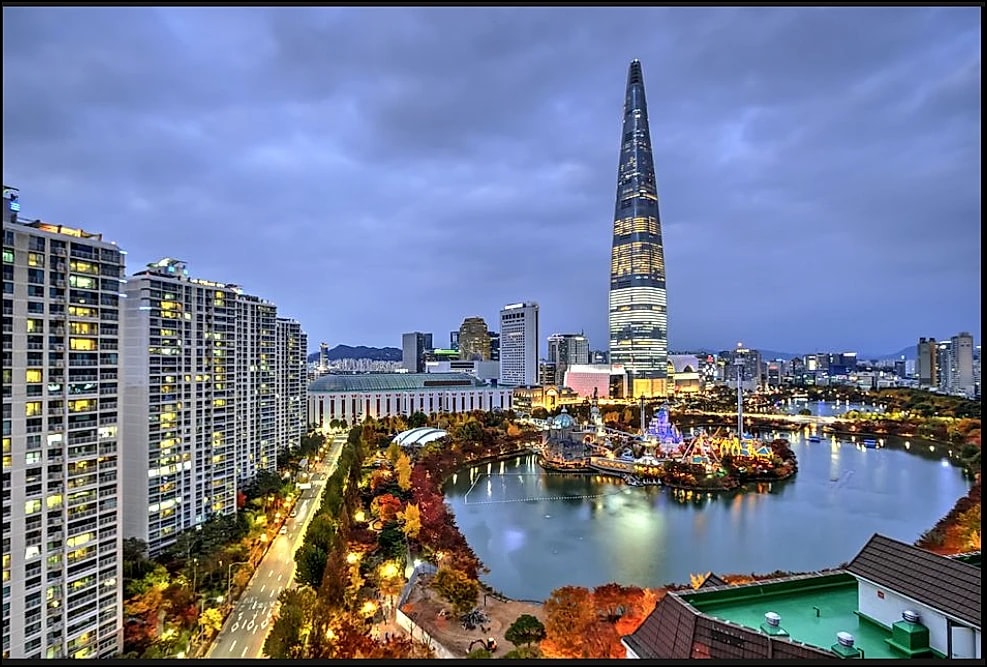
South Korea is a country where ancient palaces stand beside neon-lit skyscrapers, quiet mountain temples overlook high-speed rail lines, and traditional markets coexist with futuristic shopping districts. Compact, efficient, and remarkably safe for travelers, South Korea offers a rich blend of history, food, technology, nature, and pop culture. Whether you are interested in K-pop, hiking, street food, or centuries-old heritage sites, the country rewards curiosity and exploration.
Best Time to Visit
The most popular seasons are spring and autumn. From late March to April, cherry blossoms transform cities and parks into clouds of pink. Autumn, especially October and early November, brings crisp weather and vivid red and gold foliage across the mountains.
Summer can be hot and humid, with monsoon rains in July, while winter is cold but excellent for skiing and winter festivals. If you enjoy snow-covered landscapes and fewer crowds, winter travel can be surprisingly rewarding.
Getting Around
South Korea’s transportation system is one of the easiest in the world for visitors. The high-speed KTX train connects major cities quickly, making it possible to travel from Seoul to Busan in under three hours.
Subways in large cities are clean, affordable, and bilingual, with English signs and announcements. A rechargeable T-money transit card works across buses, trains, and convenience stores. Taxis are also relatively inexpensive compared with many Western countries.
For navigation, travelers often use local apps instead of Google Maps, which has limited functionality in Korea.
Seoul: The Dynamic Capital
Seoul is usually the starting point for most travelers. The capital is energetic and layered with contrasts. You can spend the morning exploring royal palaces and the evening in futuristic shopping districts illuminated by giant digital billboards.
Key attractions include Gyeongbokgung Palace, the largest royal palace from the Joseon Dynasty, and Bukchon Hanok Village, where traditional Korean homes line narrow alleyways.
Modern Seoul is equally compelling. Hongdae is known for youth culture, live music, and nightlife, while Myeong-dong attracts visitors with cosmetics shops and street food. For panoramic city views, head to N Seoul Tower.
Food is central to the Seoul experience. Try Korean barbecue, spicy tteokbokki rice cakes, fried chicken, and bibimbap. Late-night dining culture is vibrant, and convenience stores are part of everyday life.
Busan: Beaches and Seafood
Busan, South Korea’s second-largest city, offers a more relaxed coastal atmosphere. Famous for beaches, seafood markets, and hillside neighborhoods, Busan combines urban energy with ocean scenery.
Haeundae Beach is the city’s best-known beach and becomes especially lively during summer festivals. Nearby, Jagalchi Fish Market gives visitors a chance to sample extremely fresh seafood.
One of Busan’s most photographed areas is Gamcheon Culture Village, a colorful hillside community filled with murals, cafés, and art installations.
Jeju Island: Nature and Relaxation
For volcanic landscapes and slower-paced travel, many Koreans recommend Jeju Island. Located south of the mainland, Jeju is known for lava tubes, waterfalls, beaches, and hiking trails.
The island’s centerpiece is Hallasan, South Korea’s highest mountain. Hikers can explore trails that pass forests, volcanic rock formations, and crater scenery.
Jeju is also famous for unique local cuisine, especially black pork barbecue and fresh seafood. The island has become popular for wellness tourism and scenic cafés overlooking the sea.
Korean Culture and Etiquette
South Korea places strong emphasis on respect and politeness. Simple gestures such as bowing slightly when greeting someone or using two hands when giving or receiving items are appreciated.
Shoes are often removed before entering homes and some traditional accommodations. Public transportation is generally quiet, and speaking loudly on trains or buses is discouraged.
Although English is spoken in tourist areas, learning a few Korean phrases can improve interactions. Basic greetings like “annyeonghaseyo” (hello) and “gamsahamnida” (thank you) are useful and warmly received.
Food You Should Try
Korean cuisine is diverse, flavorful, and highly social. Meals often include many small side dishes known as banchan.
Popular dishes include:
Kimchi
Bibimbap
Bulgogi
Japchae
Samgyeopsal
Street food culture is especially strong in markets such as Gwangjang Market, where visitors can sample pancakes, noodles, dumplings, and sweet desserts.
Practical Tips
South Korea is considered very safe, even for solo travelers. Free Wi-Fi is widespread, credit cards are accepted almost everywhere, and convenience stores operate around the clock.
Travelers should carry some cash for traditional markets and smaller businesses. Portable Wi-Fi devices or local SIM cards are easy to rent at airports.
Spring and autumn accommodations can book quickly, especially during festivals or cherry blossom season, so advance planning is recommended.
Final Thoughts
What makes South Korea memorable is not only its attractions but also its atmosphere. The country moves quickly yet preserves deep traditions. One moment you may be walking through a centuries-old palace courtyard, and the next you are stepping into a cutting-edge café run by robots.
For travelers seeking excellent food, efficient transportation, fascinating history, and modern urban culture, South Korea delivers an experience that feels both welcoming and constantly surprising.