Rajgir doesn’t try to stand out—it settles in quietly. Surrounded by hills that seem to close in just enough to create a sense of shelter, the town carries a calm that feels intentional. Not empty, not forgotten—just undisturbed.
There’s something ancient about the way Rajgir feels. Not just in its history, but in its pace. The hills don’t rush, the wind doesn’t hurry, and even the light seems softer, as if it’s been filtered through time itself.
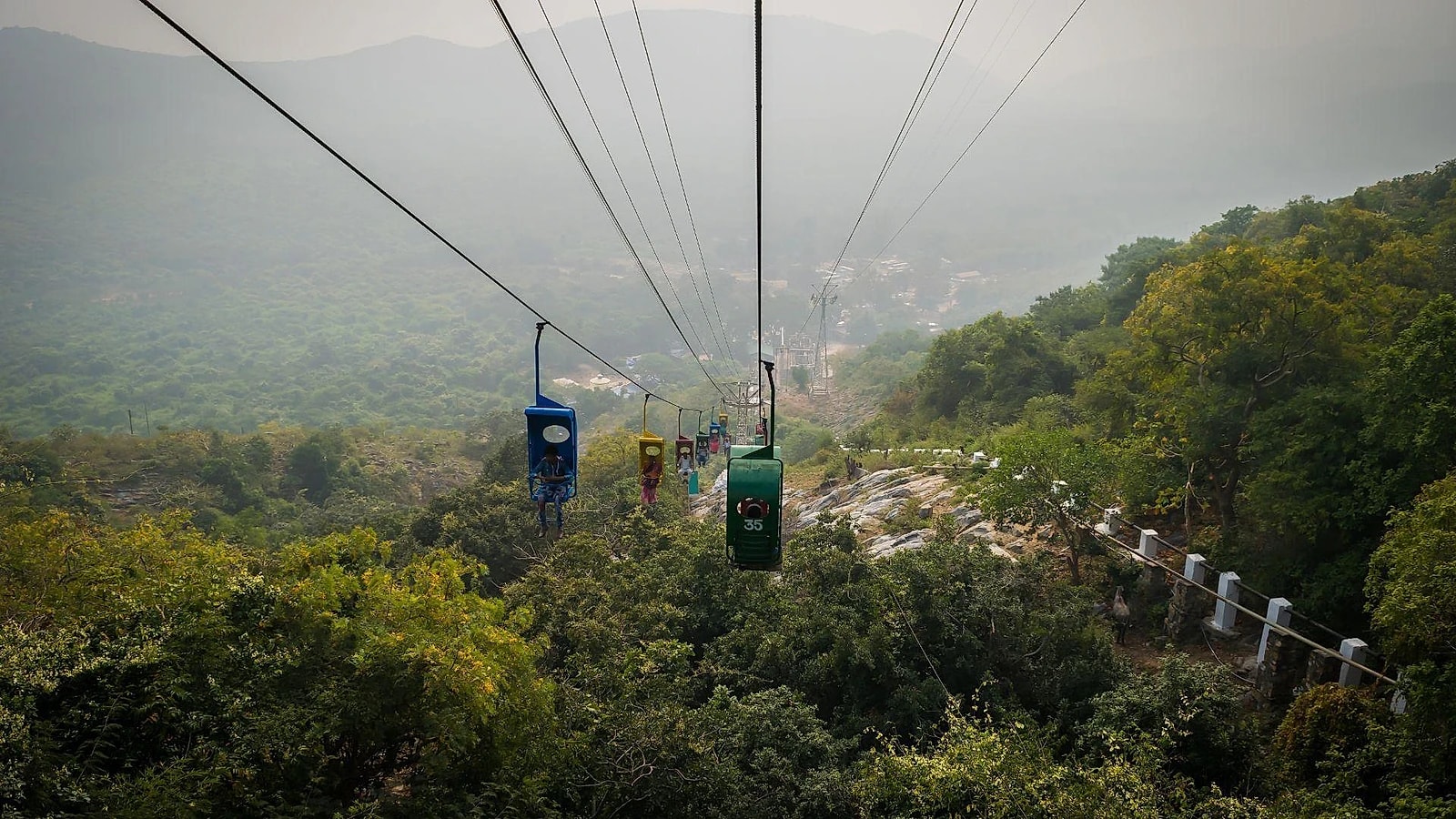
The ropeway ride to Vishwa Shanti Stupa is one of the defining experiences here. As you rise slowly above the landscape, the noise fades, replaced by a wider, quieter view of the valley. At the top, it’s not just the monument that holds your attention—it’s the stillness around it.
Walking through Rajgir is where you begin to feel it properly. Narrow paths, open stretches, occasional temples, and long pauses where nothing happens—and that nothing feels meaningful.
Rajgir is also deeply tied to spiritual history, especially in Buddhism and Jainism. But you don’t need to know the details to feel the weight of it. It’s in the atmosphere. Subtle, but present.
From a travel perspective, Rajgir works best as a slow visit rather than a rushed stop. Spend time walking, sitting, and letting the place reveal itself gradually. Early mornings and late evenings are when it feels most peaceful.
It’s not about what you see here. It’s about how you feel while you’re seeing it.
Best Time to Visit: October to March
How to Reach: 2 hours from Patna
Travel Tip: Visit early morning for fewer crowds and better views