
VENICE HIGHLIGHTS
The Peggy Guggenheim Collection
Why Venice's "unfinished palace" belongs on your list
It probably took me several visits to Venice before I actually stepped inside a sight. What comes naturally in other cities — the cathedral, the great museum — felt almost beside the point here, when the whole city already feels like an open-air museum. Then I finally walked into the Peggy Guggenheim Collection, and wondered what had taken me so long.
This isn't a hidden gem, and I won't pretend it is — it's one of the most visited sights in the city. But some things are popular for good reason. Here's why it's worth carving out the time.
1. A real Venetian palazzo, still lived-in by history
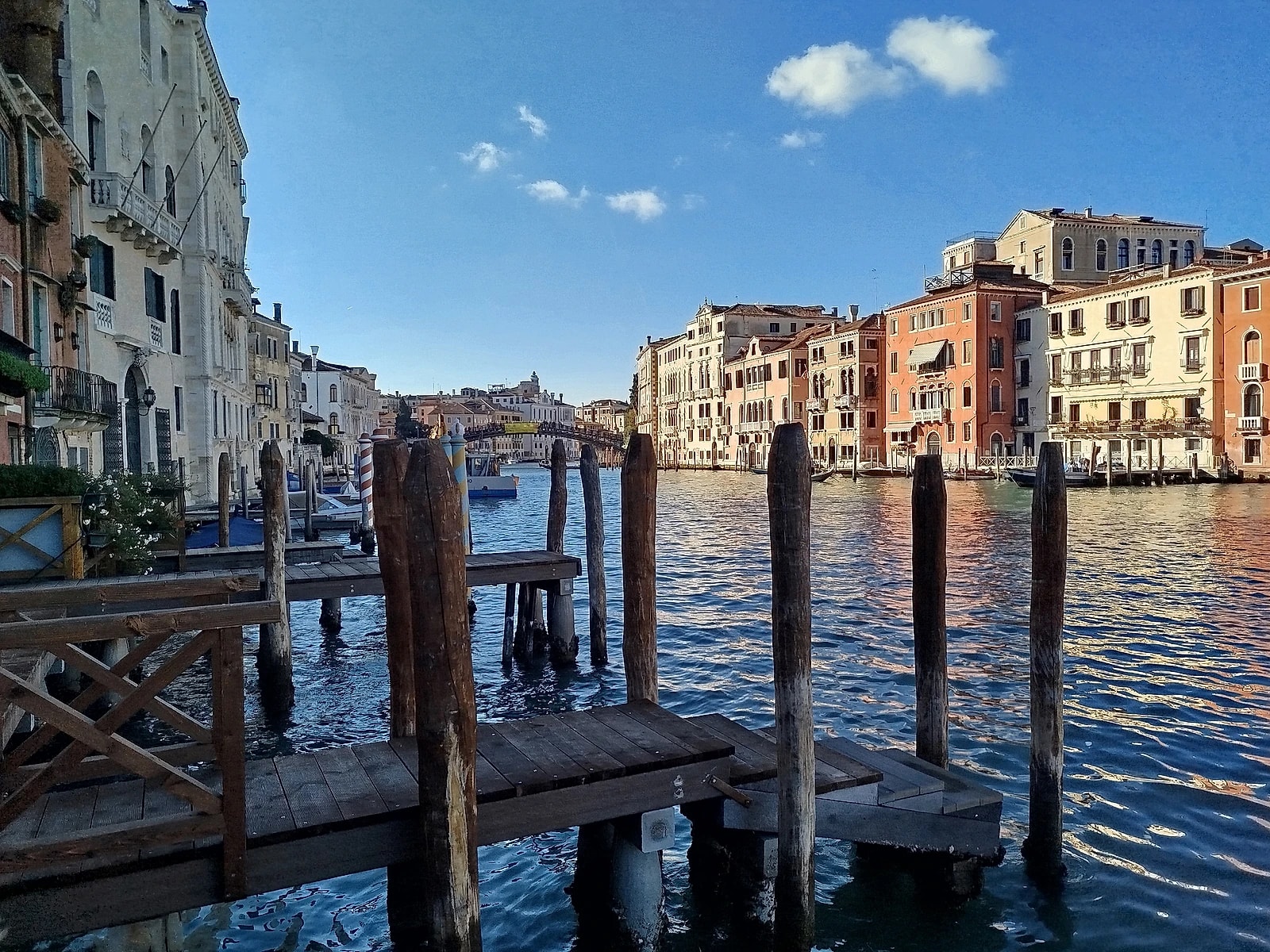
You're walking into Palazzo Venier dei Leoni, the Grand Canal home where American collector Peggy Guggenheim lived for thirty years, from 1949 until her death in 1979. Step out onto the water-level landing where her private boat once docked — the same spot where her famous friends, artists and admirers arrived for parties at the palazzo.
2. A collection most national museums would envy
Guggenheim started collecting in the 1930s, often before the artists she championed were famous. Picasso, Pollock, Ernst, Kandinsky, Magritte, Brancusi, Duchamp — her eclectic, fearless eye built one of Europe's most important collections of twentieth-century art, years before the wider art world caught up with her taste.
3. A sculpture garden that feels like a sanctuary
Behind the palazzo, the Nasher Sculpture Garden is one of the few genuinely quiet green spaces in Venice — a real breathing room after the crowds outside. It's also Peggy's final resting place: she's buried here alongside her beloved Lhasa Apso dogs.
Three facts to bring to dinner
Locals nickname it the "unfinished palace": only the ground floor of five originally planned storeys was ever built, which is why it sits so low against its grander Grand Canal neighbours.
On the terrace stands Marino Marini's bronze "Angel of the City" — a horse and rider whose anatomy was famously cast as a separate, removable piece. Guggenheim reportedly unscrewed it whenever nuns or stuffier visitors passed by boat.
No one is fully certain why the palazzo carries "dei Leoni" ("of the lions") in its name — most likely the lion-head carvings along its waterline facade, though legend claims the Venier family once kept an actual lion in the garden.
Good to know: The museum sits in Dorsoduro, right on the Grand Canal — an easy stop between the Accademia and Zattere. Give yourself at least 90 minutes, and don't rush the garden.
More Venice Highlights are on the way, one sight at a time.
Photo caption:
The Grand Canal, near Peggy's landing