Few countries blend ancient tradition and futuristic modernity as seamlessly as Japan. From serene temples and mountain villages to neon-lit megacities and world-famous cuisine, Japan offers one of the most rewarding travel experiences in the world. Whether you are planning a two-week vacation or a longer cultural journey, this guide covers the essentials for traveling through Japan.
Why Visit Japan?
Japan is known for its exceptional cleanliness, safety, efficient transportation, and deep cultural heritage. Visitors can experience centuries-old traditions such as tea ceremonies, sumo wrestling, and Shinto shrine rituals alongside cutting-edge technology, anime culture, and high-speed bullet trains.
The country also offers remarkable seasonal beauty. Cherry blossoms bloom in spring, colorful foliage transforms landscapes in autumn, ski resorts thrive in winter, and summer festivals fill cities with fireworks and traditional performances.
Best Places to Visit
Tokyo
Japan’s capital is one of the world’s most exciting cities. Tokyo combines skyscrapers, shopping districts, ancient temples, and world-class dining. Popular areas include:
Shibuya for nightlife and fashion
Shinjuku for entertainment and skyscraper views
Asakusa for traditional culture and temples
Akihabara for anime, gaming, and electronics
Top attractions include Senso-ji, the famous Shibuya Crossing, and the observation decks at Tokyo Skytree.
Kyoto
Kyoto is the cultural heart of Japan and home to thousands of shrines and temples. Visitors come here for traditional tea houses, geisha districts, and peaceful gardens.
Must-see sites include:
Fushimi Inari Taisha
Kinkaku-ji (Golden Pavilion)
The bamboo forests of Arashiyama
Gion’s historic streets
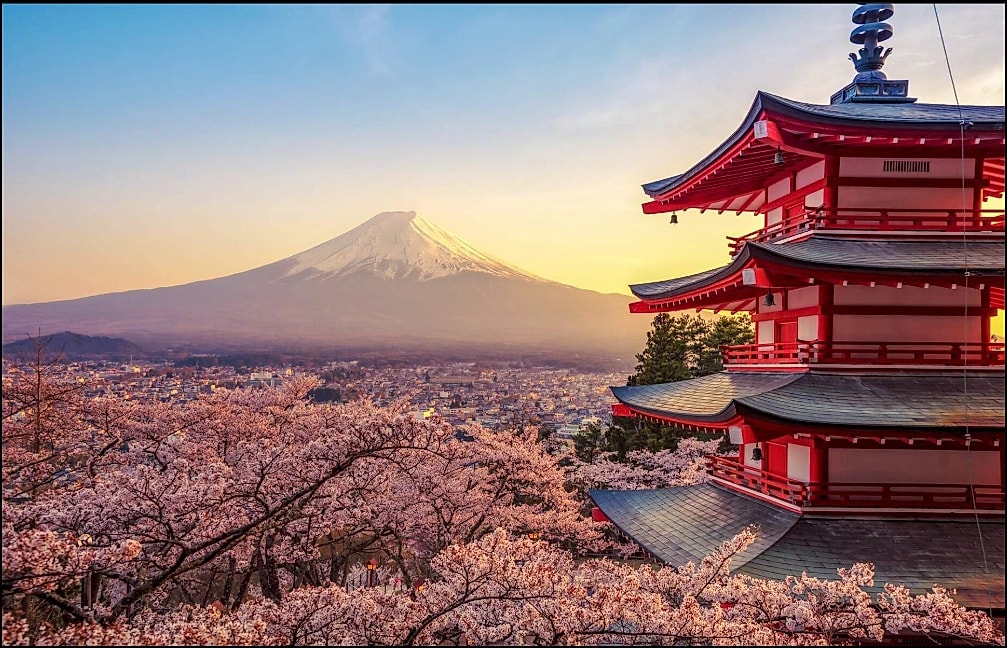
Kyoto is especially beautiful during cherry blossom season and autumn foliage.
Osaka
Osaka is famous for street food, nightlife, and friendly locals. It has a more relaxed atmosphere than Tokyo while still offering big-city excitement.
Popular experiences include:
Eating takoyaki and okonomiyaki in Dotonbori
Visiting Osaka Castle
Exploring Universal Studios Japan
Shopping in Namba and Umeda
Hiroshima
Hiroshima is a moving destination known for its peace memorials and resilience after World War II. The Hiroshima Peace Memorial Park is an important historical site.
Nearby, visitors can take a ferry to Miyajima to see the famous floating torii gate of Itsukushima Shrine.
Sapporo
Located on Japan’s northern island of Hokkaido, Sapporo is known for winter sports, seafood, and snowy landscapes. The city hosts the famous Sapporo Snow Festival each winter.
Japanese Food to Try
Japanese cuisine goes far beyond sushi. Regional specialties are a major part of the travel experience.
Popular foods include:
Sushi and sashimi
Ramen
Tempura
Yakitori
Udon and soba noodles
Okonomiyaki
Tonkatsu
Convenience stores in Japan are also excellent for affordable meals and snacks.
For luxury dining, Japan has more Michelin-starred restaurants than almost any country in the world.
Transportation
Japan’s transportation system is one of the best globally.
Shinkansen (Bullet Train)
The Shinkansen is fast, clean, and punctual. It connects major cities such as Tokyo, Kyoto, Osaka, and Hiroshima.
Tourists often purchase a Japan Rail Pass before arriving, which can save money on long-distance travel.
Local Transit
Subways and trains are efficient even if they may appear complicated at first. Apps like Google Maps work extremely well in Japan for navigation.
IC cards such as Suica or Pasmo allow easy tap-and-go payment on public transport.
Cultural Etiquette
Japanese culture values politeness, respect, and social harmony. Understanding a few customs can greatly improve your experience.
Important etiquette tips:
Remove shoes when entering homes and some traditional accommodations
Speak quietly on trains
Avoid tipping; it is generally unnecessary
Bowing is a common greeting
Queue patiently in public spaces
Visitors should also be respectful when visiting shrines and temples.
Best Time to Visit
Spring (March–May)
Spring is famous for cherry blossoms, known as sakura. Parks and riversides become stunning picnic spots.
Summer (June–August)
Summer features festivals, fireworks, and mountain hiking, though humidity can be intense in many cities.
Autumn (September–November)
Autumn is one of the best seasons due to colorful leaves and mild weather.
Winter (December–February)
Winter is ideal for skiing in Hokkaido and enjoying hot springs.
Accommodation
Japan offers a wide range of accommodations:
Luxury hotels
Budget hostels
Capsule hotels
Traditional ryokan inns
Staying in a ryokan with tatami mats and hot spring baths is a uniquely Japanese experience.
Budget Tips
Japan can be expensive, but smart planning helps reduce costs:
Use rail passes for long-distance travel
Eat at local noodle shops and convenience stores
Stay in business hotels or hostels
Visit free attractions such as parks and temples
Cash is still commonly used, though card acceptance is improving.
Safety
Japan is one of the safest countries in the world for travelers. Crime rates are low, and public transportation is reliable even late at night.
Natural disasters such as earthquakes can occur, so travelers should familiarize themselves with local emergency procedures.
Final Thoughts
Japan rewards travelers with extraordinary diversity. In a single trip, you can walk through centuries-old temple grounds in Kyoto, experience futuristic nightlife in Tokyo, soak in a mountain hot spring, and enjoy some of the finest food anywhere in the world.
Whether your interests are history, nature, cuisine, technology, or pop culture, Japan offers unforgettable experiences for every kind of traveler.